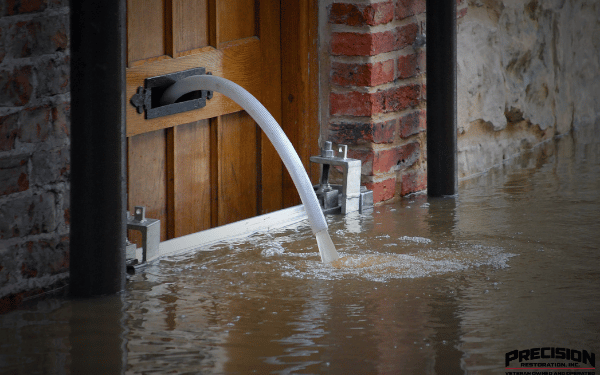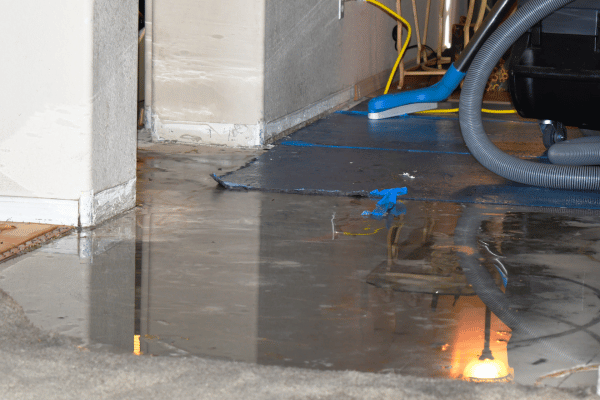
When water damage strikes your Granger home or business, every minute counts. ServiceMaster Restore is your trusted local expert for fast, effective water removal and restoration. Whether the cause is a burst pipe, heavy rain, flooding, or storm damage, our certified professionals are available 24/7 to respond with advanced equipment and expert care.
We start with a comprehensive assessment to determine the extent of the damage and develop a tailored plan for restoration. Using powerful pumps, commercial-grade vacuums, dehumidifiers, and air movers, we quickly extract water, dry affected areas, and help prevent mold growth and structural issues.
Our services go beyond just water removal. From repairing damaged structures to restoring personal belongings, we handle every phase of the recovery process. With extensive experience working with major insurance providers, we can also help streamline your claims process and reduce stress during a difficult time.
At ServiceMaster Restore, we follow IICRC-certified practices and use the latest techniques to ensure high-quality results. Our commitment to excellence, fast response times, and compassionate customer service make us the go-to choice for water removal in South Bend.
Don’t wait when water damage threatens your property. Call ServiceMaster Restore and get the reliable help you need to bring your home or business back to its original condition—quickly, safely, and professionally.
We Work With All Insurance Carriers
We are a national vendor for over 20 of the largest insurance companies in the United States. We work directly with your insurance company to help get your claim processed as quickly as possible.
Call Now for Help

Why Water Damage Repair Is Essential in Granger Homes and Businesses
Water damage repair becomes necessary for many reasons, especially in areas like Granger, where seasonal storms, aging infrastructure, and weather fluctuations can all take a toll. Here are some of the most common causes:
Flooding and Severe Weather
Heavy rains, snowmelt, and natural disasters can lead to flooding that overwhelms basements and foundations, causing widespread water intrusion that requires immediate cleanup and restoration.
Leaking or Burst Pipes
Old or damaged plumbing can rupture unexpectedly, saturating walls, floors, and ceilings. Quick repair is essential to prevent structural damage and mold growth.
Roof Leaks
Storm-damaged shingles or flashing can let water seep in, resulting in gradual but serious damage to insulation, drywall, and ceilings.
Appliance Failures
Malfunctions in water-dependent appliances like washing machines, dishwashers, and water heaters can create slow leaks or sudden floods, damaging floors and walls.
Sewage Backups
Backed-up drains or sewer lines can bring hazardous black water into your home, requiring urgent cleanup and disinfection to protect health and safety.
Poor Sealing Around Windows and Doors
Improperly sealed frames allow rainwater and moisture to enter, which can lead to long-term deterioration and mold if not addressed.
Basement Water Intrusion
South Bend homes with inadequate drainage or aging foundations often face basement flooding, especially after storms or snowmelt, demanding fast repair and drying.
Condensation and High Humidity
In areas with poor airflow, moisture buildup from condensation can silently cause damage over time, leading to material decay and mold.
Sink, Tub, and Toilet Overflows
Accidental overflows can lead to sudden water exposure in bathrooms and adjacent spaces, requiring quick drying and repair to avoid further issues.
Structural Compromise
Prolonged water exposure weakens support structures, flooring, and framing, making restoration vital for maintaining building safety.
Preventing Mold Growth
Unchecked water damage creates ideal conditions for mold, which can spread quickly and pose serious health risks. Timely repair helps stop mold before it starts.
For Granger residents, recognizing and addressing water damage early is key to protecting your property. ServiceMaster Restore is here to help with fast, professional repair services whenever you need them.
First Steps When You Need Water Damage Repair
First Steps When You Need Water Damage Repair
- Ensure Safety:
Prioritize safety by avoiding flooded or electrical hazard areas.
- Identify Water Source:
Determine and stop the source of water to prevent further damage.
- Turn Off Electricity:
Safely turn off electricity in affected areas to avoid electrical hazards.
- Document Damage:
Take photos or videos of the damage for insurance purposes.
- Remove Standing Water:
Use towels, buckets, or a wet/dry vacuum to remove standing water.
- Protect Belongings:
Move valuables to a dry area to prevent further damage.
- Open Windows and Ventilate:
Increase ventilation by opening windows and using fans.
- Contact Professionals:
Call water damage repair professionals for assessment and assistance.
- Notify Insurance:
Contact your insurance company to initiate the claims process.
- Prevent Mold Growth:
Act quickly to prevent mold growth by drying out affected areas.
- Avoid DIY Repairs:
Refrain from extensive DIY repairs without professional guidance.
What Not to Do After Water Damage
Enter Unsafe Areas:
-
Avoid entering rooms with standing water until electricity has been turned off.
-
Do not walk on sagging floors or near ceilings that appear to be bulging.
-
Stay away from floodwaters that may contain contaminants or sewage.
Use Household Appliances:
-
Never plug in or turn on electrical appliances in wet or damp areas.
-
Using vacuums or fans without professional advice can cause electrocution or short circuits.
-
Do not use heating devices to speed up drying—this can pose fire hazards.
Ignore the Source:
-
Failing to stop the source of water will only make the damage worse.
-
Turn off the main water supply if the issue is plumbing-related.
-
Don’t assume the leak has stopped on its own—investigate further.
Delay Cleanup:
-
Mold can begin growing within 24–48 hours.
-
Materials like wood and drywall deteriorate quickly when left wet.
-
Delays can lead to additional property loss and insurance claim complications.
Throw Away Damaged Belongings Too Soon:
-
Don’t discard wet items before documenting them for your insurance claim.
-
Some items, like furniture or rugs, may still be restorable.
-
Keep damaged materials in a safe, dry area until reviewed by an adjuster.
Attempt Major Repairs Alone:
-
DIY structural fixes without training can compromise the building’s integrity.
-
Removing materials improperly may spread mold or contaminate clean areas.
-
You may accidentally void warranties or insurance coverage.
Use Bleach on Mold:
-
Bleach doesn’t fully kill mold on porous surfaces like drywall or wood.
-
It can release harmful fumes and worsen indoor air quality.
-
Professional mold remediation ensures safe and effective treatment.
Overlook Hidden Moisture:
-
Just because surfaces feel dry doesn’t mean all moisture is gone.
-
Trapped water behind walls or under floors can lead to long-term damage.
-
Professionals use moisture meters and thermal imaging to detect hidden dampness.
Forget to Call Your Insurance:
-
Delayed reporting can limit coverage or complicate your claim.
-
Insurance companies may require specific documentation from the start.
-
Always notify your insurer as soon as the damage is discovered.
Skip Professional Help:
-
DIY efforts may miss critical steps like mold prevention or structural drying.
-
Professional restoration ensures thorough cleanup and safe repair.
-
Experts help prevent future issues and handle insurance coordination.

What Is Water Damage Repair?
Water damage repair is the comprehensive process of restoring your property to a safe, functional, and pre-loss condition after it’s been affected by unwanted water intrusion. Whether the damage stems from a storm, burst pipe, flood, or appliance failure, the goal is to mitigate further damage, restore structural integrity, and return your home or business to normal.
In Granger, where seasonal weather and aging infrastructure can increase the risk of water damage, timely repair is essential. The process typically involves several key steps:
1. Damage Assessment
Professionals begin by inspecting the affected areas, determining the source and severity of the damage, and developing a customized repair plan based on water contamination levels and structural impact.
2. Water Extraction
Using powerful pumps and wet/dry vacuums, standing water is quickly removed to minimize damage and start the drying process.
3. Drying and Dehumidification
Industrial-grade air movers and dehumidifiers are deployed to dry walls, floors, and furniture, helping to prevent mold growth and lingering moisture problems.
4. Structural Repairs
Damaged materials like drywall, insulation, or flooring are repaired or replaced to restore the property’s integrity.
5. Mold Remediation (if needed)
If moisture has allowed mold to begin forming, technicians treat and sanitize affected areas using specialized equipment and antimicrobial solutions.
6. Content Restoration
Furniture, documents, electronics, and personal belongings are evaluated and, when possible, cleaned and restored.
7. Insurance Support
Most professional restoration companies, including ServiceMaster Restore, coordinate with insurance providers to simplify the claims process and help secure necessary coverage.
8. Preventive Solutions
To reduce the risk of future incidents, technicians may recommend improvements such as sealing leaks, enhancing drainage, or installing moisture barriers.
Water damage repair is not just about cleanup—it’s about restoring peace of mind. Relying on a professional restoration company in Granger ensures the work is done safely, efficiently, and according to industry standards. Acting quickly can make all the difference in preserving your home, health, and property value.